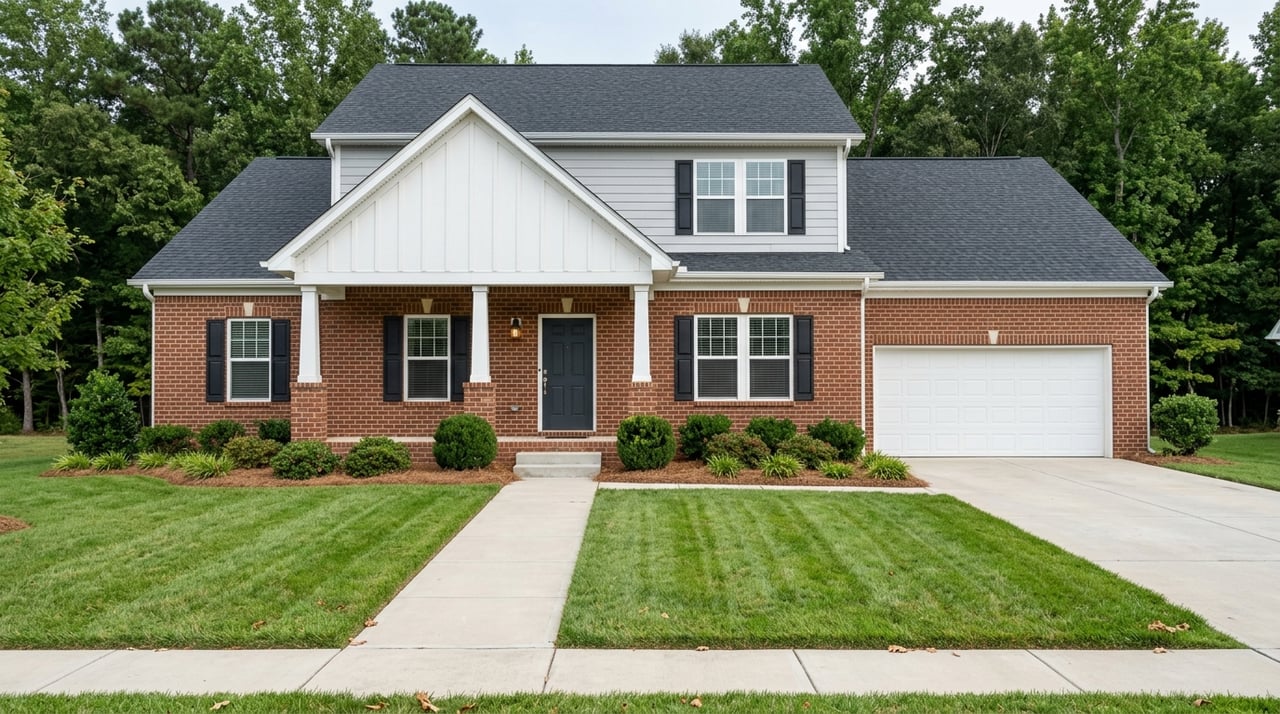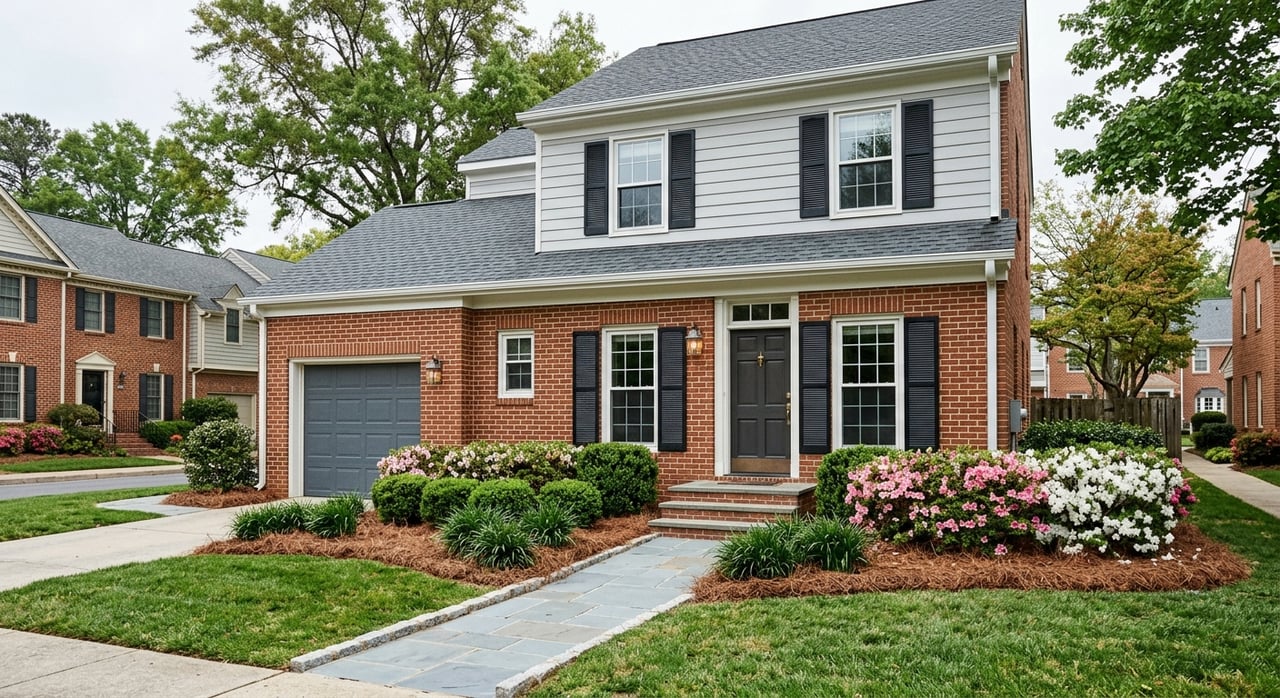
Buying a home in Springfield Village can feel simple on the surface, especially when you see words like move-in ready and low maintenance. But once you go under contract, the details matter fast. If you want a smoother path from offer to keys, it helps to know what happens next, what deadlines matter most, and which documents deserve a close look. Let’s dive in.
Start With the Right Contract Timeline
In Springfield Village, your timeline from offer to move-in depends on the specific home you choose. Public community pages show both completed homes and to-be-built plans, so one buyer may close quickly while another waits longer for construction and final completion.
That is why your first job is to understand the contract dates tied to your unit. In North Carolina, the offer process usually includes a negotiated due diligence fee and earnest money, along with deadlines that shape everything that follows.
A strong start usually includes these steps:
- Submit your offer
- Confirm the effective date once all parties agree
- Pay the negotiated due diligence fee
- Pay the earnest money according to the contract
- Review the key deadlines right away
The effective date is especially important because your due diligence period begins then. That clock affects inspections, lender work, title review, HOA document review, and any negotiation that may follow.
Understand North Carolina Due Diligence
North Carolina’s due diligence period is your main window to investigate the home and the transaction. According to the North Carolina Real Estate Commission, buyers commonly use this time for inspections, appraisal, title search, survey work, loan qualification, and repair discussions.
This is also the period when you need to move with purpose. If you wait too long to schedule inspections or review documents, you can run out of time before the deadline arrives.
The due diligence fee is separate from earnest money, and that difference matters. The North Carolina Real Estate Commission explains that the due diligence fee is generally paid to the seller at contract execution and is usually nonrefundable if you terminate, except in limited situations such as a seller material breach or a contract addendum that says otherwise.
Earnest money works differently. If you terminate during the due diligence period, you will typically get the earnest money back, but not the due diligence fee.
Schedule Inspections Early
If you go under contract in Springfield Village, try to schedule your home inspection early in the due diligence period. That gives you time to review the findings, ask follow-up questions, and decide whether you want to proceed, negotiate, or terminate before the deadline.
For this community, the inspection conversation should go beyond the inside of the home. Because Springfield Village is marketed as a low-maintenance community, you will want to clarify which exterior items are your responsibility and which may be covered by the HOA.
Ask clear questions about items such as:
- Roof responsibilities
- Siding maintenance
- Landscaping and lawn care
- Common-area upkeep
- Any exterior features shared between units
This matters even more because public sources use different labels for the community, including twinhome and townhome. The practical takeaway is simple: rely on the unit-specific documents, not broad marketing language, when you are sorting out maintenance responsibilities.
Review the HOA Packet Carefully
Springfield Village buyers should pay close attention to the HOA disclosure packet and recorded community documents. Public information about the neighborhood is not fully consistent, so your best source of truth is the paperwork tied to the specific property you are buying.
North Carolina law requires an owners’ association disclosure statement for property subject to an association. That disclosure identifies whether the property is subject to mandatory covenants, who the association contact is, the regular dues, services paid by dues, approved assessments or fees, lawsuits or judgments involving the association, and any transfer fees tied to the sale.
Just as important, the state form makes clear that the disclosure is not a warranty and does not replace inspections. You still need to read the details and ask questions before your due diligence period ends.
In planned communities, the declaration, bylaws, and articles of incorporation form the legal basis for HOA authority. For a Springfield Village buyer, those documents help answer some of the most important day-to-day ownership questions.
Focus on these points when reviewing the HOA materials:
- Whether membership is mandatory
- Current dues and how often they are paid
- Transfer or administrative fees due at closing
- What services the dues actually cover
- Rules that affect leasing or rentals
- Any special assessments or approved future costs
- Maintenance duties for owners versus the HOA
Verify Dues and Fees for Your Unit
This is one of the biggest areas where buyers should slow down and verify. The public Springfield Village HOA site says all homeowners must join the HOA, annual dues are $175, and a $50 administrative fee is due at title transfer and paid by the buyer at closing.
That same site says dues support entrance and common-area maintenance, lighting, bookkeeping and mailings, reserves, and a common area park with benches, picnic areas, swings, and playground equipment. It also states that the community has a rental restriction.
At the same time, current community pages on Homes.com show HOA fees of $275 per month and describe lawn and ground maintenance as included. Because those public sources do not match, you should confirm the exact dues, transfer fees, and maintenance responsibilities through the resale packet, recorded covenants, and your contract documents.
In short, do not assume. Verify what applies to your unit before your due diligence period ends.
Keep Lender and Title Work Moving
While inspections and HOA review are happening, your lender and closing attorney also need time to do their work. In Springfield Village, your path to closing can be delayed if financing conditions, title work, or HOA information are not completed in time.
That is why it helps to treat the due diligence period as a true project window, not just an inspection window. You are not only checking the property. You are also making sure the transaction itself is ready to close.
A practical checklist includes:
- Complete your loan application quickly
- Send requested lender documents right away
- Monitor appraisal timing
- Confirm title work is underway
- Review HOA disclosures before the deadline
- Put any repair requests or timeline changes in writing
If you need more time for inspections, financing, or document review, any extension should be written into the contract. Verbal understandings are not enough.
Put Changes in Writing
If an inspection reveals issues or more time is needed, get every change documented properly. The North Carolina Real Estate Commission states that extensions and repair agreements should be in writing.
That step protects you and keeps everyone clear on what has been agreed to. It also reduces confusion as you move toward closing.
Before the due diligence period ends, you typically have three main choices:
- Proceed as planned
- Renegotiate terms or repairs
- Terminate the contract
Once due diligence ends, your leverage usually narrows sharply. That is why staying ahead of deadlines is so important.
Prepare for Closing Day
In North Carolina, the time and place of closing are negotiated by the parties. The party who wants representation chooses the closing attorney, and while an agent may recommend an attorney, the buyer or seller makes that decision.
A residential closing typically involves title review, title insurance, deed preparation, explanation of legal rights, recordation, and disbursement after funds and closing conditions are satisfied. By this stage, the goal is simple: make sure all open items are resolved before you sit down to sign.
For Springfield Village buyers, your closing timeline may move faster for a completed unit and slower for a home still under construction. The pace often depends on four things:
- Whether the home is already complete
- What the inspection reveals
- How quickly the lender clears conditions
- How fast HOA and closing-attorney packets are returned
Do a Final Walk-Through Before Move-In
Before closing, you should complete a final walk-through. The North Carolina Real Estate Commission says buyers have the right to verify repairs during or after the due diligence period and to complete a final walk-through before closing.
This is your last chance to make sure the home is in the expected condition before possession changes hands. It is also a smart time to check measurements, test agreed-upon repairs, and confirm that the property is ready for your move.
Bring a simple walk-through checklist that covers:
- Completed repairs
- Included fixtures and appliances
- General condition of the home
- Any damage since inspection
- Garage, storage, or exterior areas
- Access items such as keys, remotes, or codes
In a low-maintenance community, this is also a good time to confirm what happens next on exterior upkeep. Knowing where owner responsibilities begin and HOA responsibilities end can save you frustration after move-in.
Know What Matters Most in Springfield Village
Springfield Village offers a practical option for buyers who want a lower-maintenance home in the Clemmons area of Forsyth County. But because public information about the community can vary by source, the smartest buyers focus on the contract, the HOA packet, the recorded covenants, and the inspection results.
If you keep those pieces organized, the path from offer to move-in becomes much more manageable. You do not need to know every legal detail on day one, but you do need a clear process, close attention to deadlines, and local guidance that keeps things moving.
If you are planning a purchase in Springfield Village and want steady, local support from contract to closing, Jerri Banner is here to help you move forward with confidence.
FAQs
What is the due diligence period in a Springfield Village home purchase?
- It is your contract period to investigate the home and transaction, including inspections, title review, loan work, appraisal, and HOA document review before the deadline.
What fees should buyers expect when purchasing in Springfield Village?
- Buyers should expect a negotiated due diligence fee, earnest money, and possibly HOA-related charges such as a transfer or administrative fee, but the exact amounts should be verified in the unit-specific documents.
What should buyers review in the Springfield Village HOA documents?
- Review dues, transfer fees, services covered by dues, maintenance responsibilities, rental restrictions, association contact information, and any approved assessments or legal issues involving the HOA.
How long does it take to move into a Springfield Village townhome?
- Timing depends on whether the home is already complete or still being built, along with inspection results, lender conditions, title work, and how quickly HOA and closing documents are returned.
Why is the final walk-through important for a Springfield Village buyer?
- The final walk-through lets you verify repairs, confirm the home’s condition, check included items, and make sure the property is ready for possession before closing.