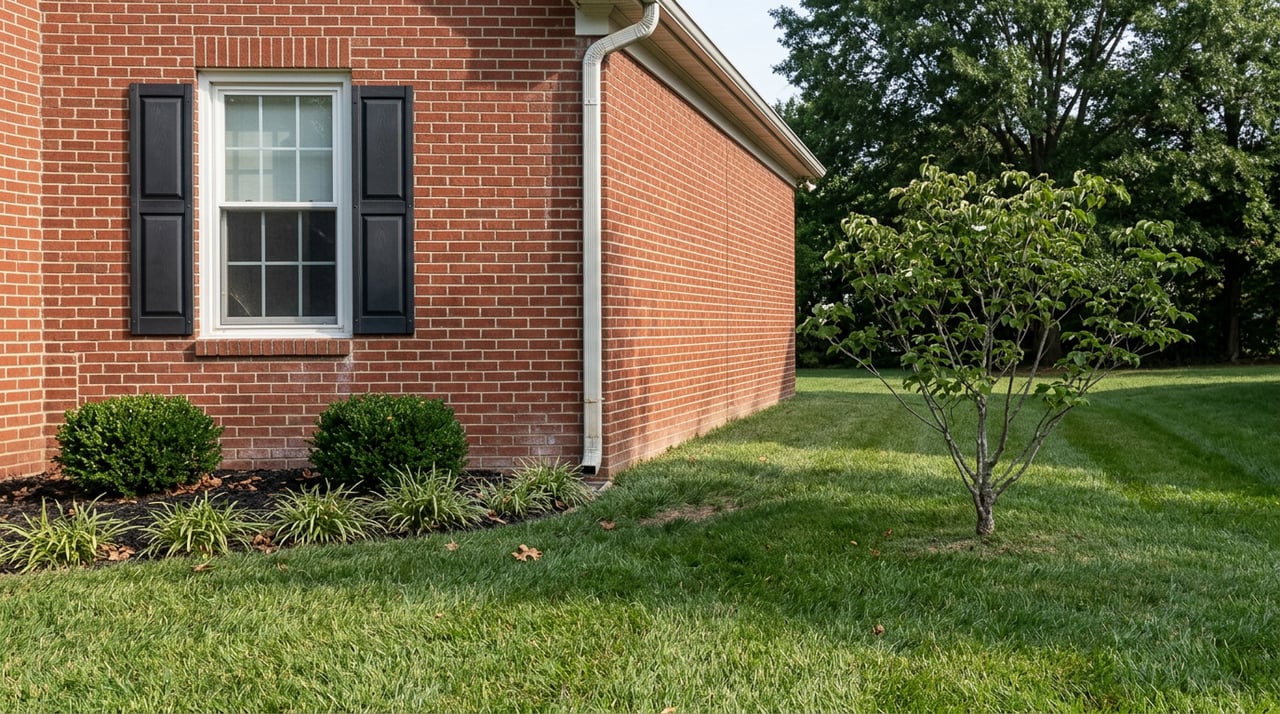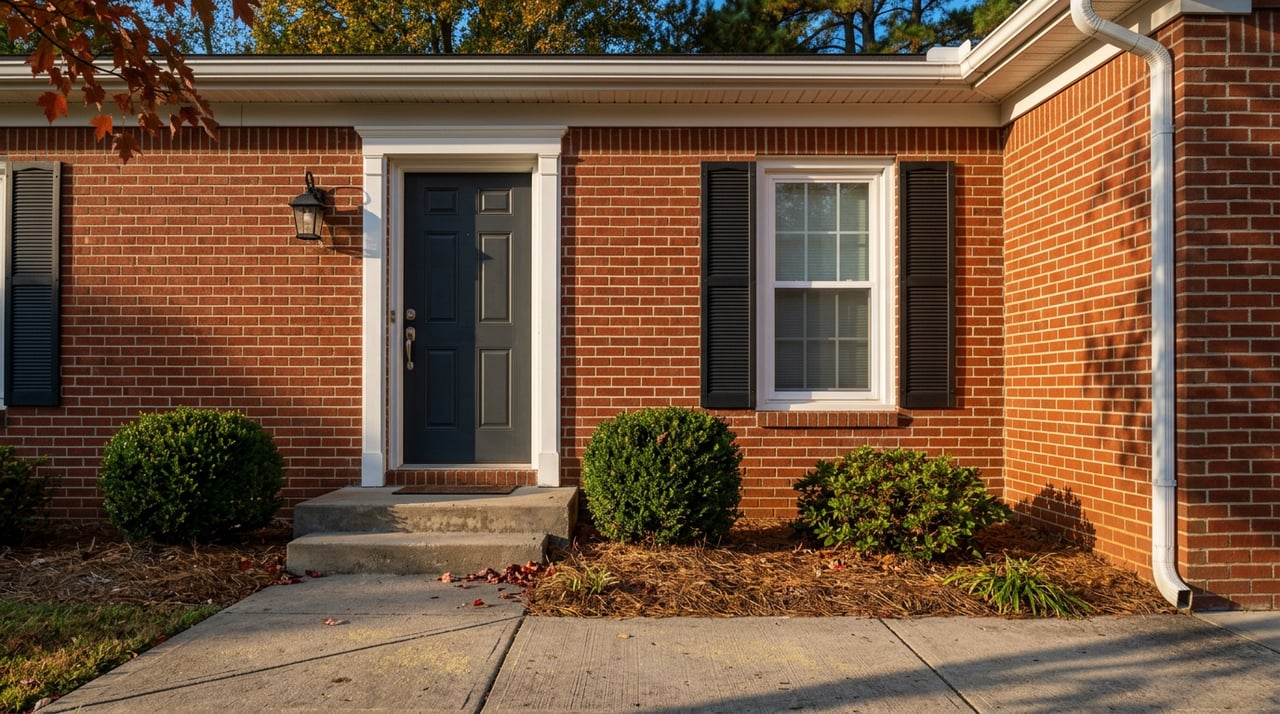
Picture two buyers signing purchase agreements in Clemmons the same week. One is buying a twenty-year-old ranch off Peace Haven Drive. The other is buying a brand-new unit at Springfield Village Townhomes, the twenty-six-home community Arden Homes is building on Springfield Farm Road, just behind West Forsyth High School. Both buyers write a check the day they sign. Both assume that check buys them the same thing: a couple of weeks to inspect the property, get their loan confirmed, and walk away without a fight if something goes wrong.
Only one of them is right.
North Carolina's standard home purchase contract includes something almost no other state uses: a due diligence fee, paid directly to the seller, that buys the buyer a negotiated window to investigate the property and cancel for any reason without forfeiting their earnest money deposit. That protection is written into Form 2-T, the standard Offer to Purchase and Contract that most resale deals across the Triad run on. But builders writing contracts for a home that doesn't exist yet use a different document entirely, and that document does not come with the due diligence clause built in. Whether a Springfield Village buyer gets any version of that walk-away protection depends on what Arden Homes chose to put in the paperwork, not on what state contract law assumes for every home sale.
That gap is worth understanding before you sign, not after.
What the Standard Contract Actually Promises a Resale Buyer
When a buyer and seller sign Form 2-T on an existing home, they negotiate two separate numbers. Earnest money goes into an escrow account, usually held by an attorney or brokerage, and it comes back to the buyer if they terminate during the due diligence period. The due diligence fee goes straight to the seller's pocket the day the contract is signed, and it's designed to compensate the seller for taking the home off the market while the buyer investigates.
That fee is non-refundable except in narrow circumstances, such as a seller's material breach of contract. In exchange, the buyer gets a period, usually somewhere in the range of two to three weeks depending on what both sides negotiate, to order inspections, get an appraisal, confirm loan approval, and cancel for any reason at all with no penalty beyond losing that fee. It's the mechanism that makes North Carolina's contract structure different from almost every other state's, and it's the reason so many out-of-state relocators find the process unfamiliar at first.
New Construction Runs on a Different Document
Here's the part that catches Springfield Village buyers off guard. The standard purchase contract used for ground-up new construction in North Carolina doesn't include a due diligence clause at all. Builders write their own agreements, and whether any walk-away window exists, and what it costs to get one, is entirely up to the individual builder's contract language.
Some builders adopt the standard form and negotiate a due diligence fee the same way a resale seller would. Others write their own terms, often a flat deposit in the few-hundred to low-thousand-dollar range, paired with a shorter and narrower inspection window than a resale buyer would expect. The practical effect is that two people signing what feels like "the same kind of contract" in Clemmons this month could have completely different rights if they change their mind three weeks later. One term might carry all the protections of Form 2-T. The other might not include a walk-away right at all beyond whatever the builder specifically wrote in.
This isn't a knock on builders. A construction contract has to account for lot selection, build timeline, and allowance changes in ways a resale contract never does. But it does mean the burden shifts to the buyer to read the actual document rather than assume the rules they've heard about from a friend's resale closing apply automatically.
What It Looks Like in Dollars at Today's Prices
Springfield Village units have priced in roughly the $415,000 to $450,000 range as new construction in Clemmons continues to move. If a buyer at that price point were negotiating under a standard Form 2-T structure, Triad due diligence fees were running somewhere between 1 percent and 3 percent of the purchase price as of early 2026, which on a $430,000 home works out to something like $4,300 to $12,900 sitting with the seller from the day the contract is signed. That's the exposure a resale buyer accepts in exchange for real inspection and cancellation rights.
A builder contract with no due diligence clause, or a much narrower one, changes that math. The deposit might be smaller. It might also buy far less protection. A buyer who assumes a flat few-hundred-dollar deposit works like a full due diligence fee, and later wants to walk away over something an inspection turns up, may find the contract simply doesn't give them that option the way a resale contract would.
Clemmons's median sale price sat around $425,000 over the trailing twelve months as of April 2026, and 30-year fixed mortgage rates were hovering near 6.27 percent as of mid-March 2026, according to Bankrate. Neither number tells a buyer anything about their cancellation rights. Only the contract does.
If you remember one thing from this post, remember to ask specifically whether your Springfield Village purchase agreement includes a due diligence period, and if so, how many days it runs and what it actually costs.
What to Actually Check Before You Sign
A buyer working with a builder contract at Springfield Village, or any new construction community in the Triad, should be looking for a handful of specific things rather than assuming any of them by default:
- Whether the contract includes a due diligence clause at all, or whether it relies on separate, more limited contingencies for financing and inspection
- The exact number of days between contract signing and the deadline to cancel without penalty
- Whether the deposit is refundable, non-refundable, or partially refundable depending on the reason for cancellation
- Whether the deposit is held in escrow or paid directly to the builder at signing
- What happens to the deposit if financing falls through after the inspection window has already closed
Buyers in North Carolina commonly have an attorney review a purchase agreement before signing, and that step matters more with a builder's custom contract than with the standard resale form, precisely because builder language varies so much from one community to the next. It's a habit worth keeping regardless of how straightforward the transaction feels.
FAQ
Is the due diligence fee the same thing as earnest money? No. Earnest money sits in an escrow account and typically comes back to the buyer if they cancel during the agreed inspection period. The due diligence fee goes directly to the seller at signing and is generally non-refundable, which is why it functions more like compensation for taking the home off the market than a security deposit.
Does every builder skip the due diligence clause? Not necessarily. Some builders adopt the standard form and negotiate a fee much like a resale seller would. Others write custom contracts with a smaller deposit and a narrower window. There's no single rule across the industry, which is exactly why reading the specific contract in front of you matters more than assuming it works like the last home someone you know bought.
What if I sign a builder contract with no walk-away period and then change my mind? That depends entirely on what the contract actually says about default and refunds. Without a due diligence clause, a buyer's ability to cancel without losing their deposit is limited to whatever specific contingencies, such as financing, the builder included in writing. That's a conversation worth having with the builder and a real estate attorney before signing, not after.
Buying new construction at Springfield Village shouldn't feel like a gamble on paperwork you haven't read closely. If you're getting ready to write an offer on a Clemmons townhome or you've already got a builder contract sitting in your inbox and want a second set of eyes on it, Banner Team Properties has spent years walking Triad buyers through exactly this kind of fine print. Call or message the Banner Team, let's talk about your next move.