Are you looking at your Gentry Farm backyard and wondering how to turn all that space into something you will actually use? That is a good problem to have, especially in a King community known for large lots, mature trees, sidewalks, and a setting that feels rural while staying just minutes from town. With the right plan, you can create outdoor spaces that fit your home, your routine, and the character of the neighborhood. Let’s dive in.
Why Gentry Farm Backyards Stand Out
Gentry Farm is not a small-lot neighborhood. Community information points to lots ranging from about a half acre to more than an acre in Phase II, which gives you room to think beyond a basic patch of grass.
That extra space opens the door to a more thoughtful layout. Instead of treating the whole yard as one big area, you can break it into useful zones for dining, relaxing, gardening, play, or quiet seating under the trees.
Start With Outdoor Zones
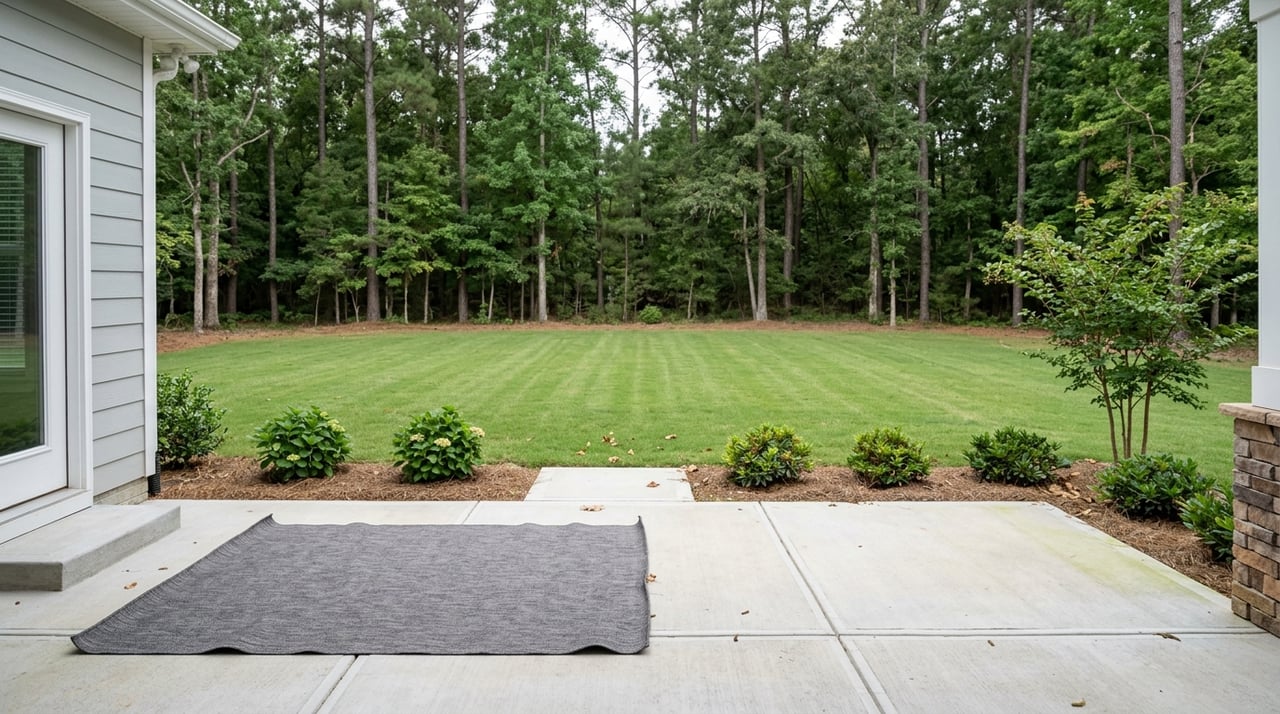
One of the smartest ways to use a larger backyard is to create a clear home base near your back door. For many homeowners, that means a patio, grilling pad, or covered porch where day-to-day outdoor living happens most often.
From there, you can let the rest of the yard serve different purposes. A wide lawn might be useful for open play or gatherings, while the edges can hold planting beds, understory trees, or a more private sitting area.
A Simple Backyard Layout
A practical Gentry Farm layout often includes:
- A patio or porch close to the house
- An open lawn area for flexible use
- Planting beds that soften the yard edges
- Shade-friendly seating under existing trees
- A garden space in a sunny section of the lot
This kind of layout works well with the neighborhood’s tree-lined, rural feel. It also helps your yard feel intentional instead of empty.
Work With King’s Climate
King’s climate gives you plenty of chances to enjoy your backyard across the year. The city’s climate information shows warm summers, relatively mild spring and fall seasons, average humidity around 70%, and about 8.9 inches of snowfall annually.
In practical terms, that means comfort matters. Shade, airflow, mulch, and drainage should all be part of your plan so the yard stays usable during warm, humid stretches and holds up better through seasonal rain.
Focus on Shade and Airflow
Mature trees can be one of the biggest assets in a Gentry Farm backyard. Keeping shade where you can helps outdoor spaces stay cooler and more comfortable in summer.
If you are deciding where to place a seating area or dining space, look for spots that benefit from afternoon shade. If you are adding plantings, layered landscaping around existing canopy can help the whole yard feel more connected and balanced.
Plan for Water and Drainage
NC State Extension notes that most turf needs about 1 inch of water per week during the growing season. The same source also warns homeowners to watch runoff from compacted soils and hard surfaces.
That matters when you add patios, play areas, edging, or beds. Before making changes, think about where water already moves after a heavy rain and avoid creating low spots or hardscape that pushes water where you do not want it.
Keep the Best Trees
In a neighborhood described as having mature trees and a rural feel, preserving existing canopy can make a big difference. Large trees provide shade, help define outdoor rooms, and add the kind of natural backdrop many buyers and homeowners want.
King’s municipal code also emphasizes preserving existing trees and vegetation where possible. If you are updating your backyard, it often makes sense to build around healthy trees rather than clearing the lot for one large open lawn.
Choose Plantings That Fit the Site
A large backyard feels better when it has structure. That does not mean you need high-maintenance landscaping. It means choosing plants that fit your sunlight, moisture, and layout so the space looks finished and stays easier to manage.
King’s local guidance recommends plant material suited to site conditions and resistant to heat, drought, insects, and disease. NC State Extension also offers plant options that can work well in different backyard roles.
Plant Ideas for a Gentry Farm Yard
Here are a few practical options drawn from NC State Extension:
- Eastern purple coneflower for pollinator or native-style garden areas. It is noted as popular in native and pollinator gardens and attracts butterflies.
- Downy serviceberry for full sun to partial shade. It can work as a specimen, border, barrier, mass planting, or understory tree.
- Dwarf fothergilla for foundation beds, woodland-style areas, cottage-style spaces, children’s gardens, and pollinator gardens.
- Winterberry holly for hedges, borders, rain gardens, pond edges, recreational play areas, and foundation plantings.
These choices can help you create seasonal interest without losing the easy, natural feel that suits the neighborhood.
Solve Low Spots the Smart Way
Every big yard tends to have at least one awkward area. In some backyards, that is a low spot where water collects near a downspout or along the edge of the lawn.
Winterberry holly is especially useful in those kinds of places. NC State notes that it can work well where water collects and also says it tolerates heat, drought, and soil compaction once established.
That makes it a practical option for problem areas that need more than just grass seed. It can also help turn a wet corner into a part of the yard that feels purposeful.
Make Upkeep More Manageable
A larger lot can be a huge advantage, but it does come with more maintenance. The key is to design the yard so you are not taking care of more than you need.
Instead of expanding lawn into every corner, think about where grass is truly useful. Leaving some areas as mulched beds, planted borders, or natural tree zones can reduce mowing and help the yard stay tidier through the seasons.
Use Mulch the Right Way
NC State Extension recommends 3 to 4 inches of mulch around woody plants and 1 inch around herbaceous plants. Mulch can reduce weeds and help soil retain moisture during drought.
That is especially helpful in King’s warmer months. Mulched beds can cut down on maintenance while also making planting areas look more polished.
Know Your Local Yard Waste Options
King offers brush pickup on Mondays year-round, and yard waste carts are collected on Wednesdays. The city also notes that a yard waste cart permit costs $50 per cart per year.
If you are caring for a large lot with trees and planting beds, those local services can make routine cleanup much easier. It is a small detail, but it can help you plan a backyard that stays manageable over time.
Check Permits Before You Build
Before you add a shed, deck, or other backyard structure, it is important to check local requirements. King’s building permit information states that permits are required to erect, enlarge, alter, remove, demolish, or repair structures and systems.
The city’s residential permit guide specifically says accessory structures must be permitted, anchored to the ground, at least 10 feet from side and rear property lines, and kept out of the front yard. It also says residential construction over $40,000 requires a licensed general contractor.
Projects Worth Checking First
If you are considering any of the following, it is smart to confirm city requirements early:
- Storage sheds
- Decks
- Garages
- Covered outdoor structures
- Larger hardscape projects that may affect grading or drainage
King also notes a watershed overlay district and a flood ordinance. If your project changes how water moves across the lot, drainage and grading deserve extra attention from the start.
Think Long Term for Resale
A well-planned backyard can improve the way you live in your home now while also strengthening its appeal later. In a community like Gentry Farm, buyers are often drawn to space, mature trees, and the chance to enjoy outdoor living without giving up convenience.
That means the best backyard improvements are usually the ones that feel useful, balanced, and easy to maintain. Defined outdoor zones, preserved shade, thoughtful planting, and attention to drainage can all help your yard stand out for the right reasons.
If you are buying in Gentry Farm, it helps to look beyond the house itself and think about how the lot will work for you. If you are selling, showcasing the yard’s usable space and long-term potential can make a real difference.
When you want local guidance on homes, lots, and what buyers notice in King, Jerri Banner is here to help you make your next move with confidence.
FAQs
What makes Gentry Farm backyards different from smaller neighborhood lots?
- Gentry Farm is known for larger lots, with Phase II lots described as ranging from about one-half acre to more than one acre, which gives you more room for separate outdoor living, lawn, planting, and seating areas.
What backyard plants can work well in Gentry Farm in King, NC?
- NC State Extension highlights options such as eastern purple coneflower, downy serviceberry, dwarf fothergilla, and winterberry holly, each suited to different roles like pollinator gardens, borders, understory planting, and wetter spots.
What should homeowners in King consider before building a backyard shed or deck?
- King requires permits for structures such as sheds, decks, and garages, and accessory structures must be anchored, meet setback requirements, and stay out of the front yard.
How can homeowners manage drainage in a large King backyard?
- Pay attention to where water already flows, especially near downspouts, compacted soils, patios, and other hard surfaces, and choose plants and layouts that help problem areas function better.
What local yard waste services are available for Gentry Farm homeowners?
- King schedules brush pickup on Mondays year-round and yard waste cart collection on Wednesdays, with a yard waste cart permit costing $50 per cart per year.